!Side Menu Logo

!Header Logo
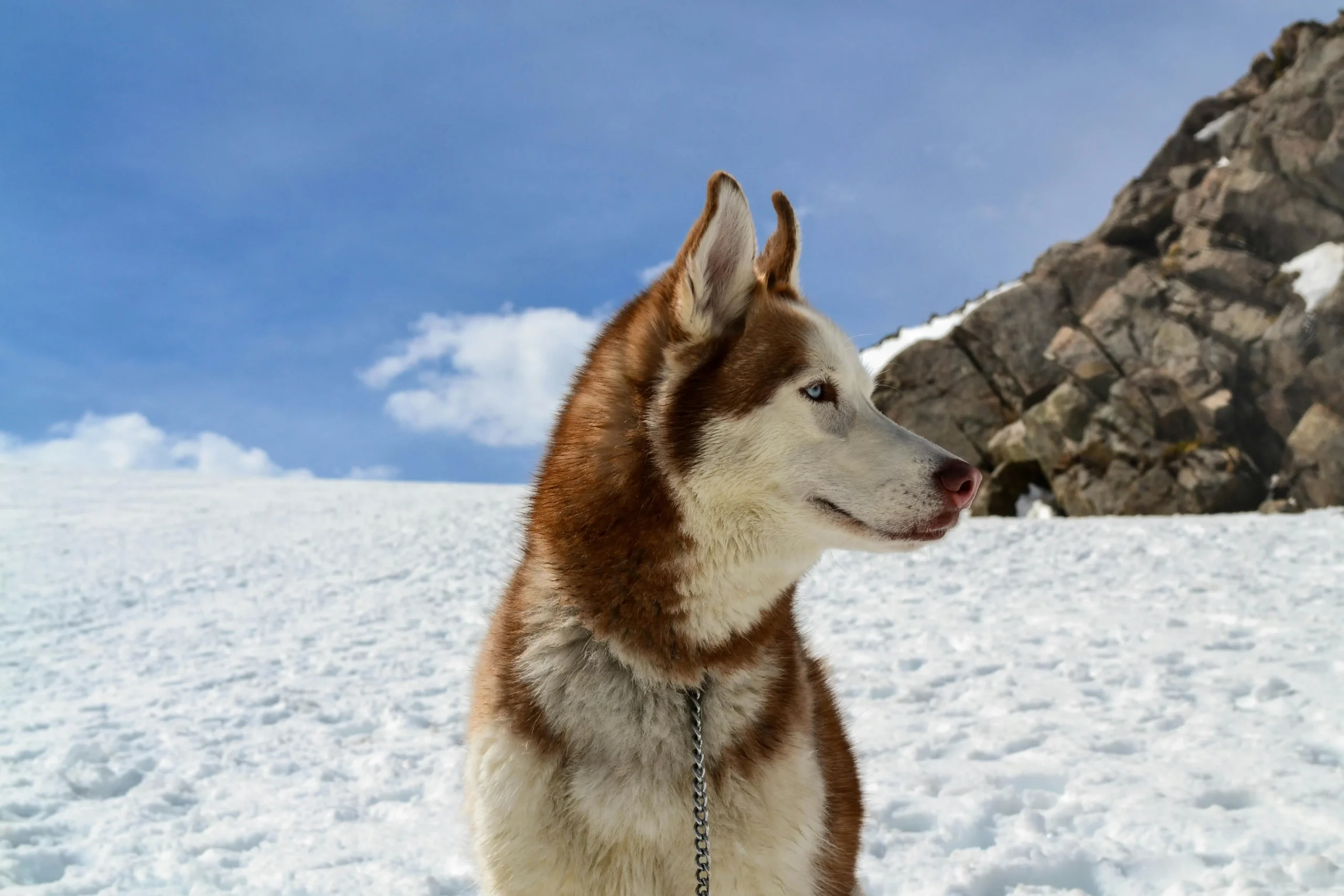
Winter Pet Care in Langley Park, MD: Keep Dogs Safe & Warm
Winter in Langley Park, MD, brings chilly temperatures, snow, and icy conditions that can affect your canine companion’s health and safety. Practicing proper winter pet care is essential to protect your furry friends from cold-related issues and keep them comfortable throughout the season. At Brentwood Animal Hospital, our Langley Park, MD, veterinarians provide guidance to keep dogs safe, warm, and healthy during the winter months.
Cold weather can be risky for dogs, leading to problems like frostbite, hypothermia, and stiff joints. With some planning, you and your canine companion can still enjoy time outside safely. This guide shares important winter care tips for dogs, covering safety, nutrition, and ways to keep your pet healthy all season.
Protecting Fido From Cold Weather
How well dogs handle cold depends on their breed, age, size, and coat. Small, short-haired, older, or sick dogs are more sensitive to low temperatures. Here are some ways to help keep your dog safe:
- Dog sweaters or coats: Keep short-haired or small dogs warm during walks.
- Booties for paws: Protect against ice, snow, and deicing chemicals that can irritate paws.
- Limit outdoor exposure: shorten walks during extreme cold to reduce the risk of frostbite.
- Safe shelter: Ensure outdoor dogs have insulated, dry, and draft-free housing if they spend time outside.
Watch your dog for signs of cold stress, such as shivering, whining, or reluctance to walk.
Paw Care and Safety
Winter can be tough on your dog’s paws. Ice, salt, and chemicals may cause burns or irritation. Here are some ways to care for their paws:
- Check paws after walks: Remove ice, snow, and debris from between toes.
- Moisturize paw pads: Use vet-approved balms to prevent cracking and dryness.
- Avoid salted areas: Salt and deicing agents can be harmful if ingested or cause irritation.
- Trim fur around paw pads: Reduces snowballing and keeps paws clean.
Taking care of your canine companion’s paws regularly helps keep them comfortable and avoids long-term problems in winter.
Nutrition and Hydration
Fido might need some changes to their diet in winter:
- Calorie considerations: Active dogs may burn more energy in cold weather, while less active dogs may require fewer calories.
- High-quality protein: Supports muscle maintenance and overall health.
- Hydration: Dogs may drink less in winter, so provide fresh water regularly and encourage them to drink.
- Avoid feeding snow: Snow may contain pollutants or salt. Always provide clean water.
Feeding your canine companion well helps them stay energetic, warm, and healthy all winter.
Winter Exercise and Outdoor Play
It’s important to keep your dog active in winter for their physical and mental health. Here are some ideas:
- Short, frequent walks: Reduce exposure to cold while maintaining activity levels.
- Indoor enrichment: Puzzle toys, hide-and-seek games, and training exercises keep your dog engaged.
- Snow play: Many dogs enjoy gentle snow activities, but supervise to avoid ice hazards and snow ingestion.
- Warm-up and cool-down: Encourage gentle stretching to prevent joint stiffness in cold weather.
The veterinarians at Brentwood Animal Hospital in Langley Park, MD, recommend mixing outdoor play with indoor activities to keep your dog healthy and comfortable.
Preventing Hypothermia and Frostbite
Being out in very cold weather can be dangerous for dogs:
- Hypothermia: Signs include shivering, lethargy, shallow breathing, and weakness.
- Frostbite: Commonly affects extremities such as ears, paws, and tail. Look for pale or gray skin, swelling, or blisters.
- Immediate care: Move your dog to a warm environment and seek veterinary attention if frostbite or hypothermia is suspected.
Knowing the early signs helps you act quickly and prevent serious problems.
Indoor Comfort and Safety
Winter is a good time to make your home more comfortable for your dog:
- Warm sleeping areas: Provide insulated beds or blankets in draft-free spaces.
- Safe heating sources: Avoid space heaters or fireplaces where pets can burn themselves.
- Prevent slips: Keep floors dry and provide rugs or mats to reduce the risk of slipping on icy or wet surfaces.
- Mental stimulation: Indoor enrichment activities reduce boredom when outdoor time is limited.
Making your home cozy and safe helps support your dog’s winter care.
Holiday Hazards and Precautions
The winter holidays can bring extra risks for your dog:
- Toxic plants: Poinsettias, mistletoe, and holly can be harmful if ingested.
- Decorations: Ornaments, wires, and tinsel can pose choking or entanglement hazards.
- Food: Certain holiday foods, including chocolate, grapes, and fatty dishes, are dangerous for dogs.
- Guests and noise: New people and celebrations may cause stress or anxiety in pets.
Always keep an eye on your dog during holiday events and making sure they have a safe space.
Grooming and Coat Care
Grooming matters in winter too:
- Regular brushing: Keeps coats healthy, removes mats, and improves insulation.
- Bathing: Use warm water and mild shampoos, avoiding over-bathing that strips natural oils.
- Check skin: Monitor for dryness, irritation, or flaky skin common in colder months.
Good grooming keeps your dog comfortable and healthy all winter long. Ask your vet for specific advice.
Travel and Outdoor Safety Tips
If you and your canine companion go outside in winter:
- Monitor walking conditions: Avoid icy patches, salted roads, or frozen bodies of water.
- Reflective gear: Early darkness and poor visibility require collars, leashes, or vests with reflective materials.
- Emergency preparedness: Carry a phone, water, and a first-aid kit in case of accidents or injuries.
Being prepared helps you and your canine companion enjoy safe winter adventures together.
The ASPCA has a blog on winter pet care here. The Ontario SPCA and Humane Society has a helpful article on winter care for dogs here. The Animal Medical Center of Ontario also has a good piece on this here.
FAQs About Winter Pet Care
Can all dogs tolerate cold weather?
No. Small breeds, short-haired dogs, elderly, and sick pets are more susceptible to cold and require extra protection.
How can I tell if my dog is too cold?
Signs include shivering, whining, reluctance to move, lifting paws off the ground, and seeking warmth.
Should I still exercise my dog in winter?
Yes. Physical activity is important year-round, but duration and intensity should be adjusted for temperature and safety.
Can I use human clothing or booties for my dog?
Only use pet-specific clothing and footwear designed for canine anatomy. Human items may restrict movement or cause injury.
What indoor activities help when outdoor play is limited?
Puzzle feeders, training exercises, scent games, and short indoor fetch sessions help maintain mental and physical stimulation.
Keeping Dogs Safe in Langley Park, MD, Winter
Winter means you need to take extra care to keep your dog safe from the cold, injuries, and stress. Sticking to good winter routines, watching your dog’s health, using protective gear, and offering indoor fun all help your canine companion stay healthy and happy.
Visit Our Langley Park Veterinary Clinic
For guidance on winter pet care, schedule a visit to Brentwood Animal Hospital. Our veterinarians in Langley Park, MD, provide expert advice on cold-weather safety, preventive care, and wellness strategies to keep your dog healthy and comfortable all winter long. If you are searching for a “vet near me” in Langley Park or nearby areas, contact us today for personalized support.
This blog is intended for informational purposes only. Always consult your veterinarian at Brentwood Animal Hospital for guidance, diagnosis, or treatment plans for your dog.
Do you want to learn about our Hyattsville, MD veterinary clinic? You can get a great overview of all our services at our Service page here, or get your pet started with us for Wellness and Vaccinations here. We offer a range of services, such as Ear Cropping, Boarding, and Grooming.

Adopting a Cat in Washington, DC: Tips for a Smooth Transition
Winter Pet Care in Langley Park, MD: Keep Dogs Safe & Warm